„Dear environment, there is something left over.” ❘ 
Screening and Conversation with
Anna Zett | Caroline Adler
Anna Zett’s films explore the affective and abject remnants of the GDR in the body as well as the political matrix. Through an associative and analytical exploration of the symbolism of waste disposal, segregation, and remediation, they incorporate audio and video material from the archives of the East German environmental, civil rights, and punk movements of the 1980s—the artist’s childhood years. The archival material is interwoven with performative reflections and documentary footage of now “remediated” chemical industrial landfills in Bitterfeld-Wolfen. At question is the dump as utopian (non-)place of the abject: that which we want to get rid of, that which remains and, in the process, takes on a life of its own. As part of *Damaged Deliberations*, diffrakt is presenting two video works by Anna Zett.
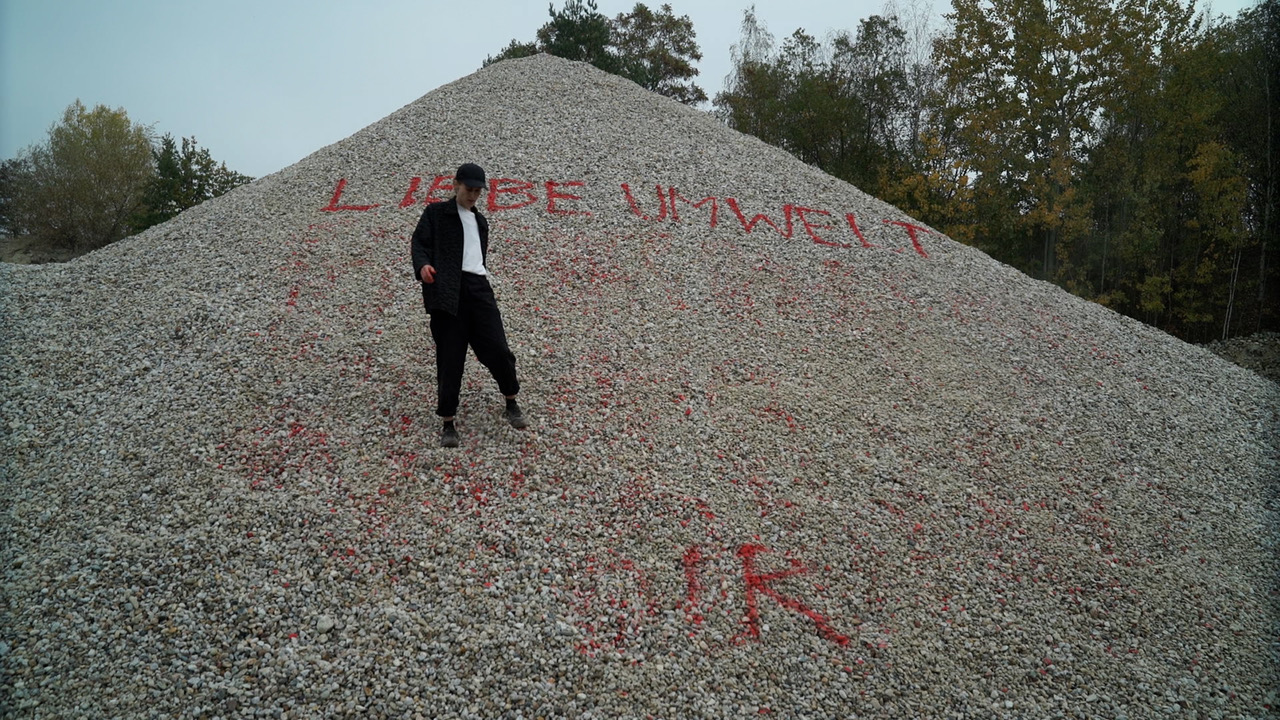
In ENDARCHIV (2019, 18 min), industrial-scale piles of gravel become a physical repository for words and political feelings, and the setting for an attempt to make contact with an ecosystem through the medium of language. The performance intertwines with archival material shot by filmmaker Klaus Freymuth, documenting artists painting and writing on the East side of the Berlin Wall in November 1989, shortly after the border opened, and the border police painting over the images afterwards.
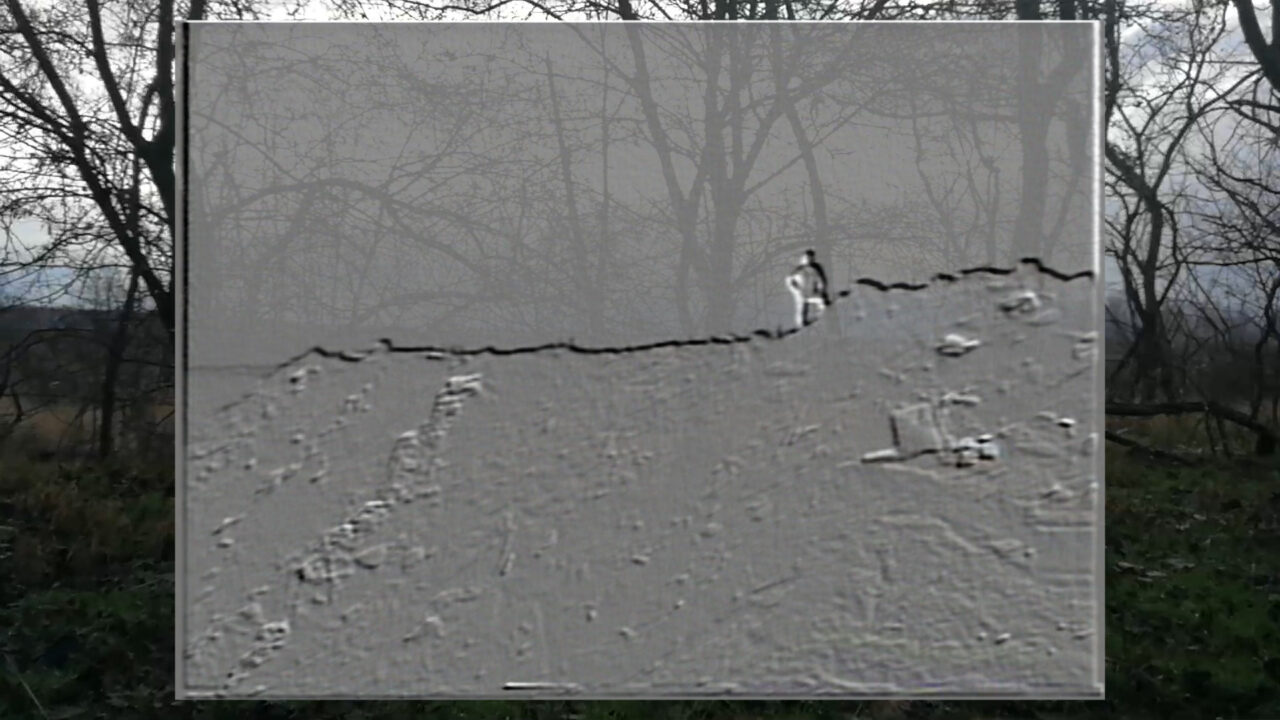
FREIHEIT 3 (2019, 30 min) blends documentary film and performance video into an audiovisual poem about the toxic remnants of DDR industry and its now-discarded social context. A guided tour of the contaminated Bitterfeld-Wolfen landfills with a former manager of the Treuhand is overlaid with material from the East German environmental and civil rights movements, as well as poems from private readings in East Berlin during the catastrophic year of 1986. Language appears here both as a cause of damage and as a medium of symbolic processing and response.
Following the screening, we will discuss the legacies of the East German environmental movement, the role of forgetting in the process of coming to terms with the past, the question of the end of the archive (its transformation, its composting), and what remains.
As part of the series Damaged Deliberations.
About
Anna Zett’s films explore the affective and abject remnants of the GDR in the body as well as the political matrix. Through an associative and analytical exploration of the symbolism of waste disposal, segregation, and remediation, they incorporate audio and video material from the archives of the East German environmental, civil rights, and punk movements of the 1980s—the artist’s childhood years. The archival material is interwoven with performative reflections and documentary footage of now “remediated” chemical industrial landfills in Bitterfeld-Wolfen. At question is the dump as utopian (non-)place of the abject: that which we want to get rid of, that which remains and, in the process, takes on a life of its own. As part of *Damaged Deliberations*, diffrakt is presenting two video works by Anna Zett.
In ENDARCHIV (2019, 18 min), industrial-scale piles of gravel become a physical repository for words and political feelings, and the setting for an attempt to make contact with an ecosystem through the medium of language. The performance intertwines with archival material shot by filmmaker Klaus Freymuth, documenting artists painting and writing on the East side of the Berlin Wall in November 1989, shortly after the border opened, and the border police painting over the images afterwards.
FREIHEIT 3 (2019, 30 min) blends documentary film and performance video into an audiovisual poem about the toxic remnants of DDR industry and its now-discarded social context. A guided tour of the contaminated Bitterfeld-Wolfen landfills with a former manager of the Treuhand is overlaid with material from the East German environmental and civil rights movements, as well as poems from private readings in East Berlin during the catastrophic year of 1986. Language appears here both as a cause of damage and as a medium of symbolic processing and response.
Following the screening, we will discuss the legacies of the East German environmental movement, the role of forgetting in the process of coming to terms with the past, the question of the end of the archive (its transformation, its composting), and what remains.
As part of the series Damaged Deliberations.


