The Sea Is There, But We Are Not ❘ Literature from Palestine
Lesung und Gespräch mit
Alaa Alqaisi | Asmaa Azaizeh | Maha El Hissy | Ahmed Saleh
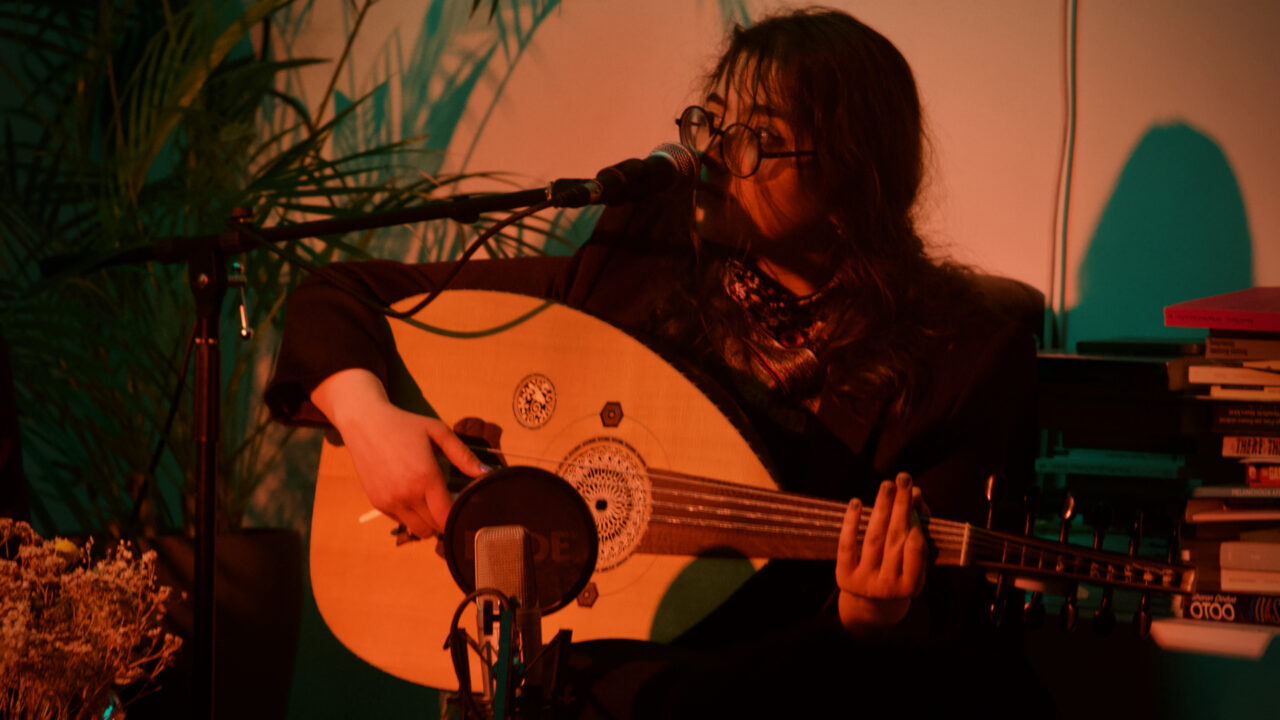
mit einer musikalischen Intervention von
Cham Saloum
– Die Veranstaltung findet auf Englisch und Arabisch statt. –
Recently fled from Gaza to Dublin and currently a guest writer at the Literarisches Colloquium Berlin, the author and translator Alaa Alqaisi explores, in poems and essays, the fractures of memory and language, showing how words probe the unspeakable, a poet who writes “as someone whose hands have sifted through broken glass for signs of life”.
At the same threshold carries the London-based poet Asmaa Azaizeh a banished earth within her body: The Meadow of Ibn Amir, and swallows that circle above her father’s olive groves, shielding them from the encroaching asphalt of gentrification.
Traveling from Brussels, the poet Ahmed Saleh tells, in his poems, how on a sunny day in Gaza a bicycle turned into “a stretcher for the dead”, sidewalks into “coffins”, and sea into “a graveyard”, and yet he insists on teaching his readers how, in Gaza, prisons and cells, weapons factories and curses can still be transformed into fields, gardens and songs.
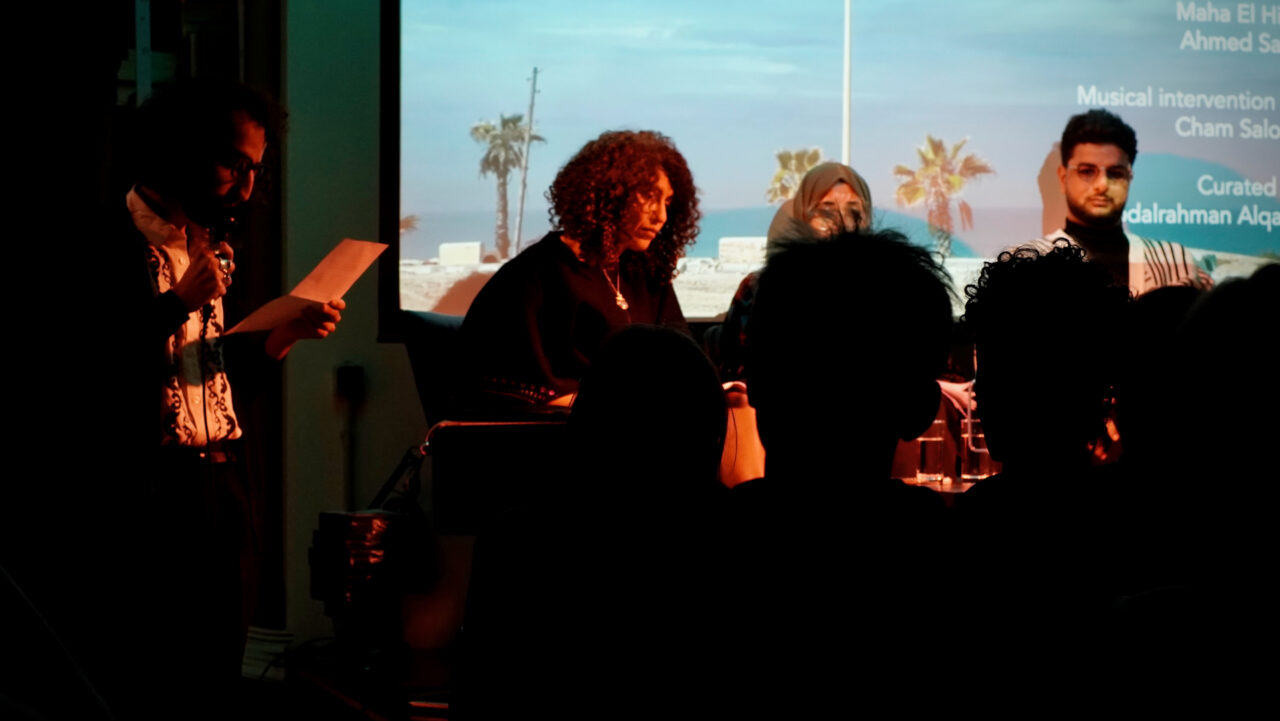
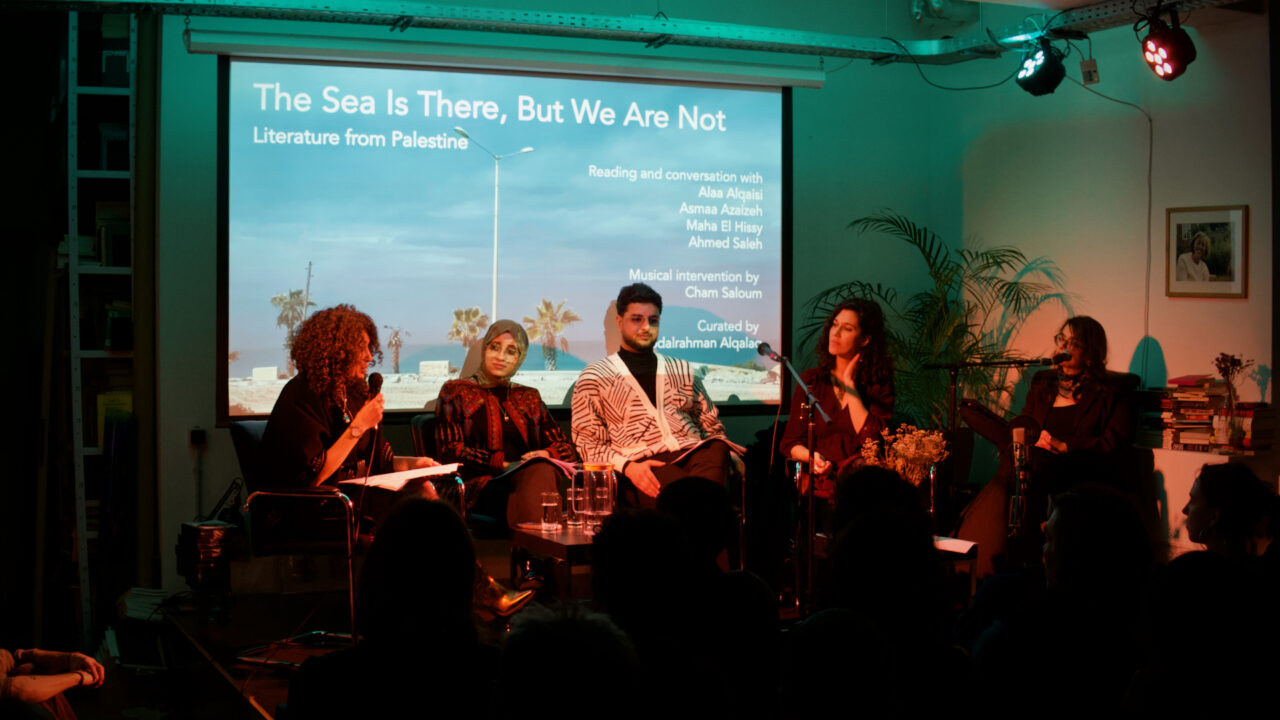
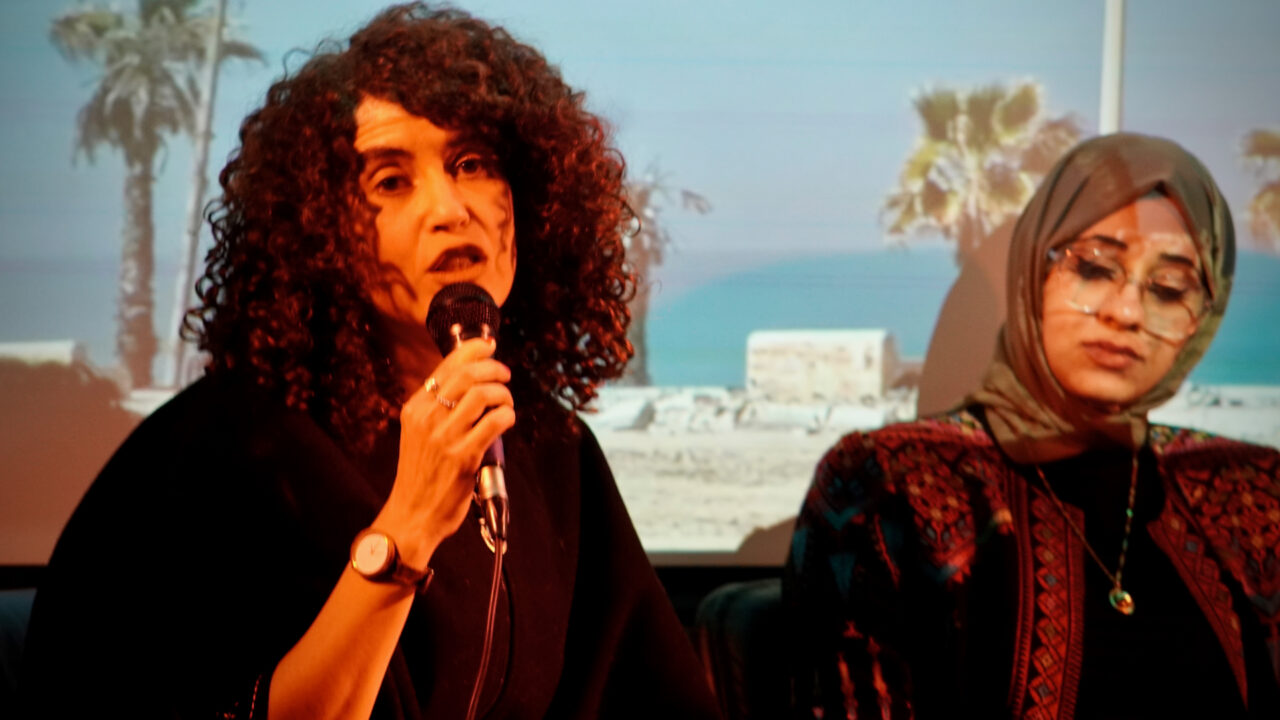
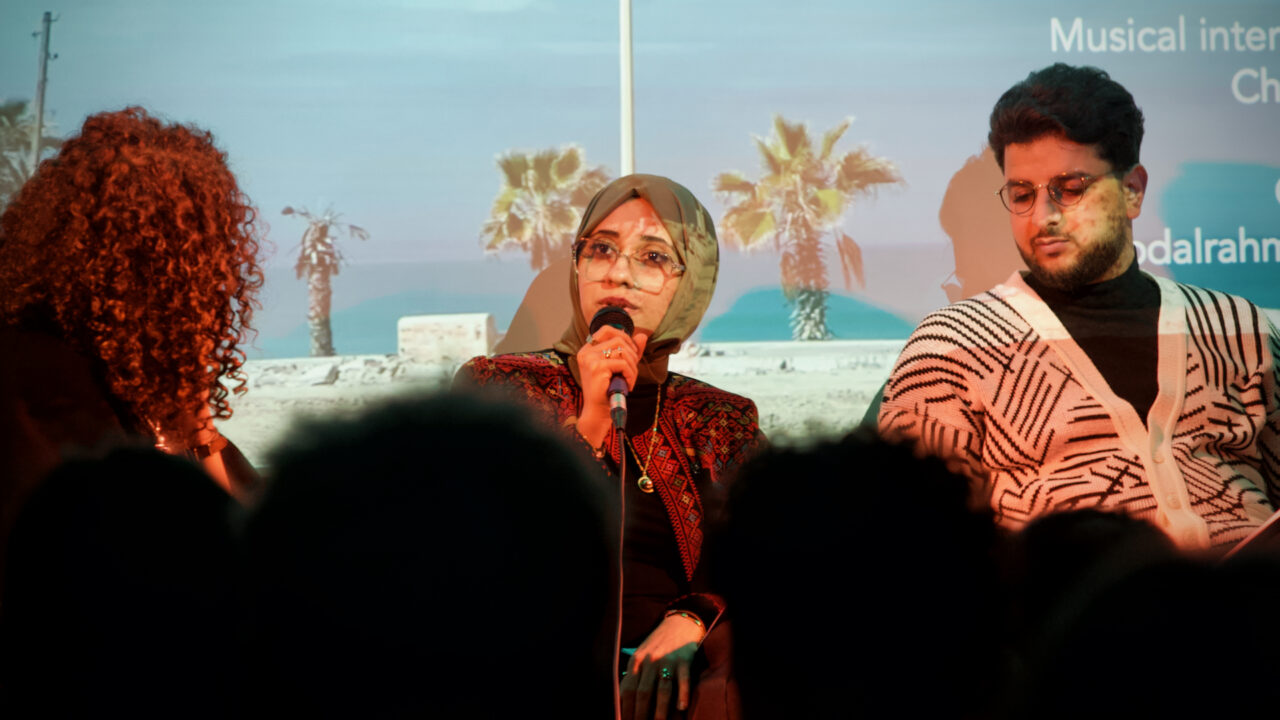
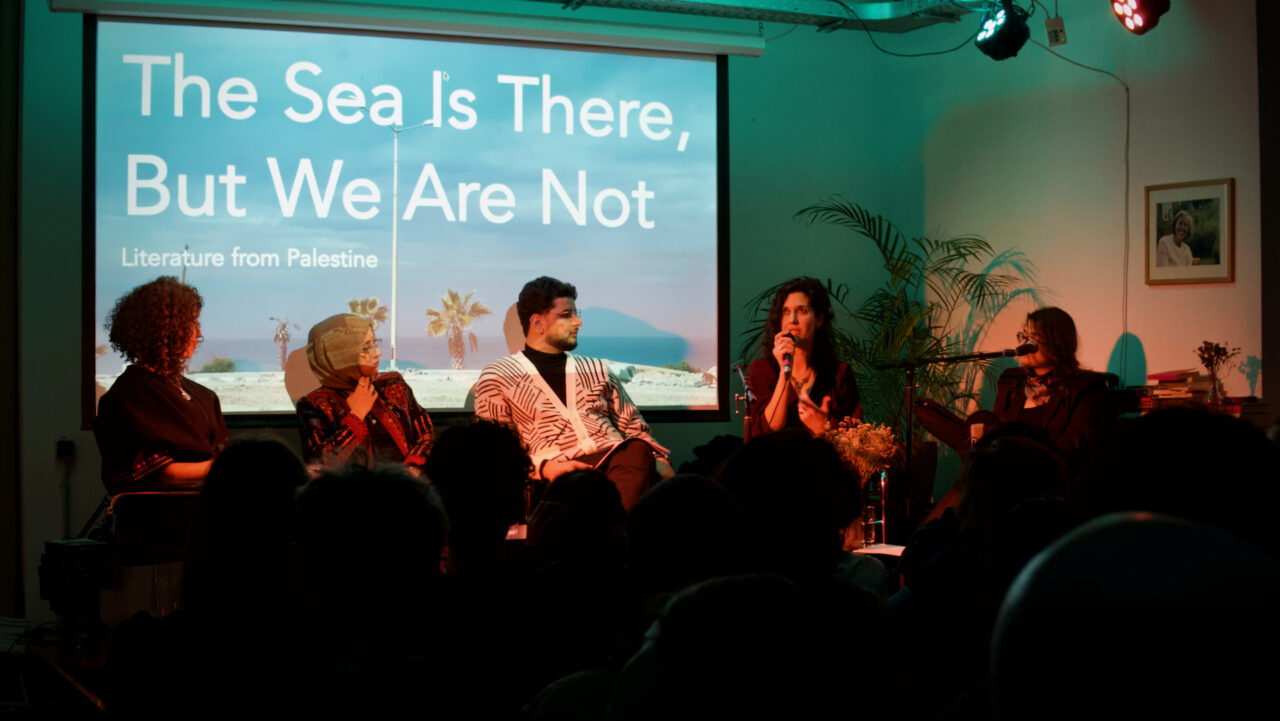
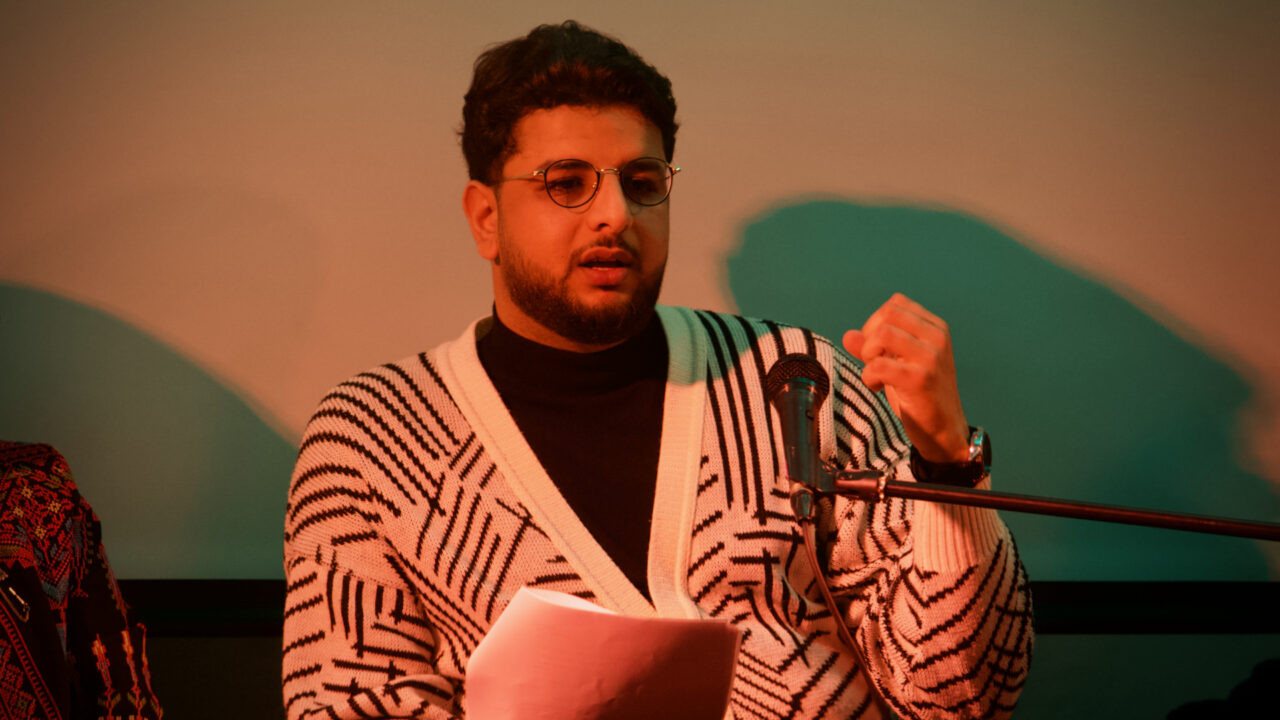
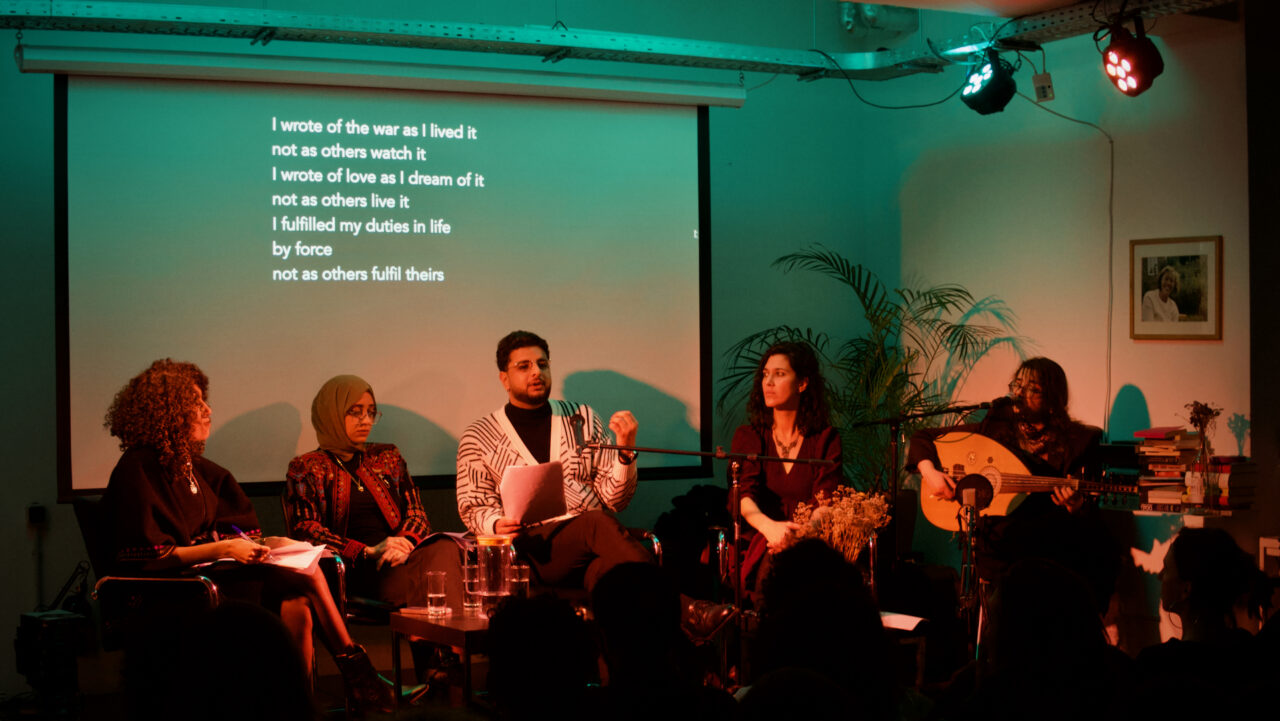
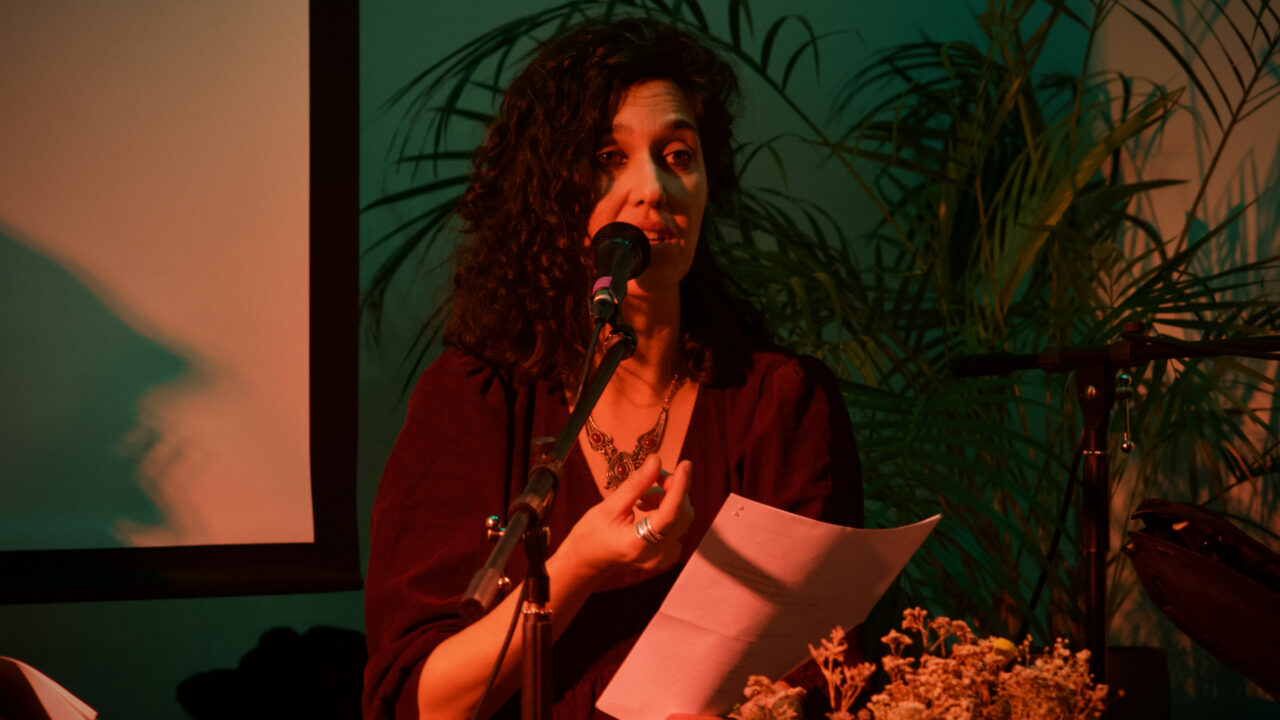
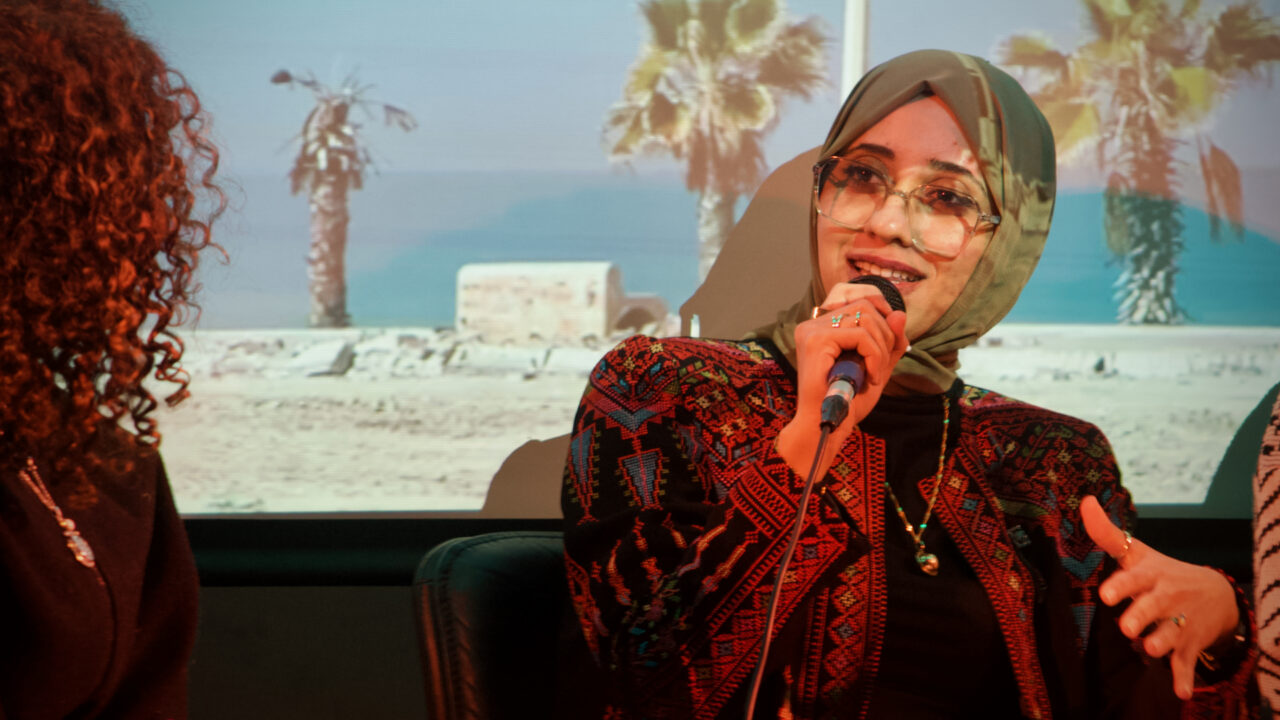
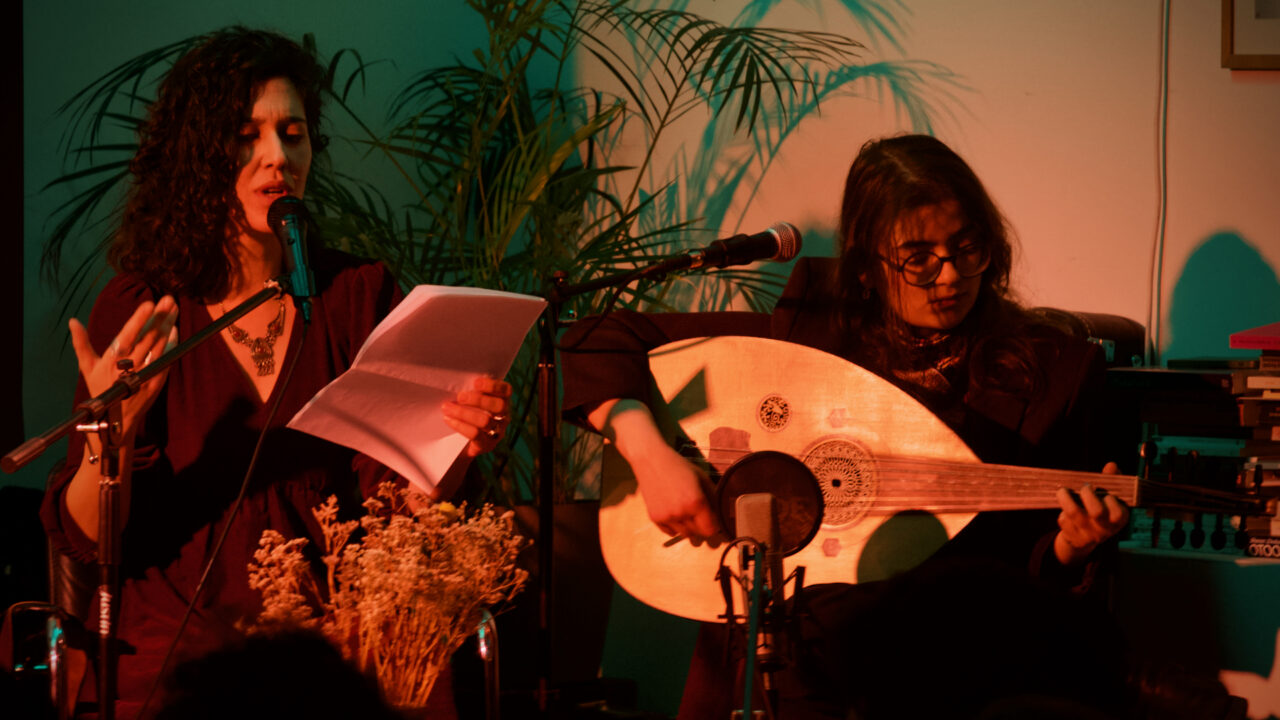
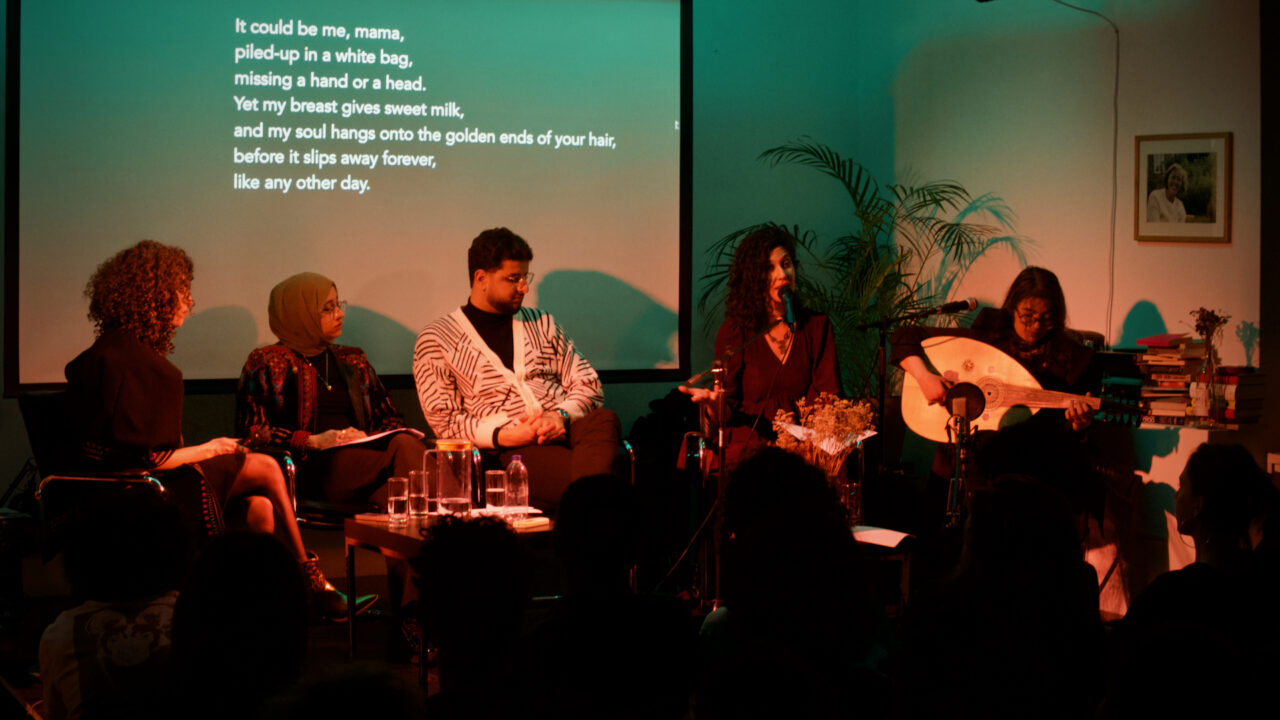
How can one speak today of a “Palestinian literature” when, since 1948, it has emerged from dispossession, genocide, and disappearance, written from many places and yet about a single one? On this evening, the three Palestinian poets and authors read from their work and speak with literary critic Maha El Hissy about a literature whose body is torn apart, its limbs scattered between occupation and diaspora, and which persistently attempts to confront, traverse, and resist this fragmented geography.
Musical intervention by Cham Saloum. Curated by Abdalrahman Alqalaq.
Über uns
– Die Veranstaltung findet auf Englisch und Arabisch statt. –
Recently fled from Gaza to Dublin and currently a guest writer at the Literarisches Colloquium Berlin, the author and translator Alaa Alqaisi explores, in poems and essays, the fractures of memory and language, showing how words probe the unspeakable, a poet who writes “as someone whose hands have sifted through broken glass for signs of life”.
At the same threshold carries the London-based poet Asmaa Azaizeh a banished earth within her body: The Meadow of Ibn Amir, and swallows that circle above her father’s olive groves, shielding them from the encroaching asphalt of gentrification.
Traveling from Brussels, the poet Ahmed Saleh tells, in his poems, how on a sunny day in Gaza a bicycle turned into “a stretcher for the dead”, sidewalks into “coffins”, and sea into “a graveyard”, and yet he insists on teaching his readers how, in Gaza, prisons and cells, weapons factories and curses can still be transformed into fields, gardens and songs.
How can one speak today of a “Palestinian literature” when, since 1948, it has emerged from dispossession, genocide, and disappearance, written from many places and yet about a single one? On this evening, the three Palestinian poets and authors read from their work and speak with literary critic Maha El Hissy about a literature whose body is torn apart, its limbs scattered between occupation and diaspora, and which persistently attempts to confront, traverse, and resist this fragmented geography.
Musical intervention by Cham Saloum. Curated by Abdalrahman Alqalaq.




